


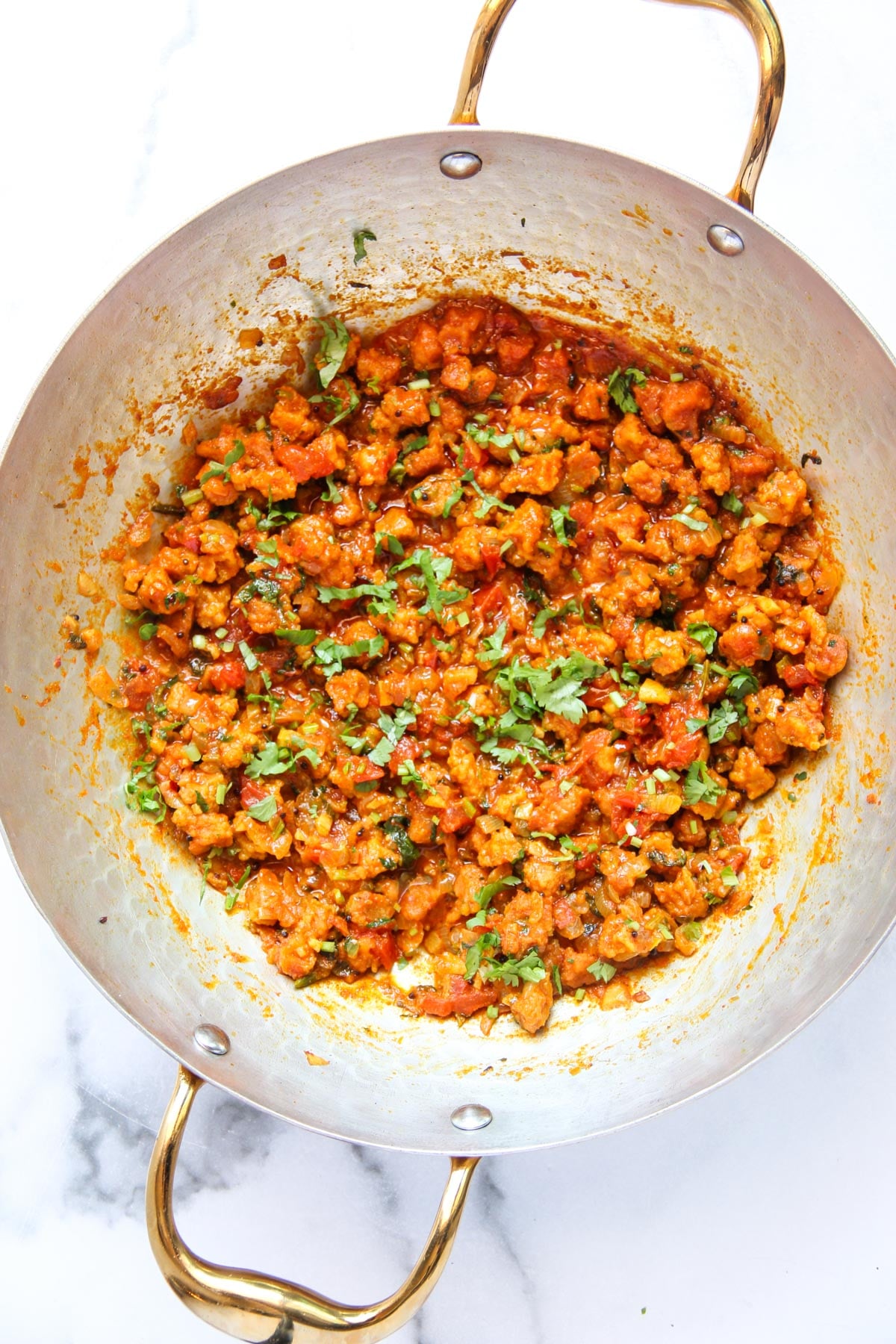
Sandgyachi bhaji is one of those Maharashtrian dishes that turns pantry staples into a warm, satisfying curry. Sun-dried lentil dumplings, called sandge or vade, are fried until golden, then simmered in a spiced onion-tomato masala until they turn soft and soak up all that flavor. My mom used to make this whenever we had a jar of homemade sandge on hand, and the smell of mustard seeds hitting hot oil still takes me straight back to her kitchen.
Want to Save This Recipe?
Enter your email & I'll send it to your inbox. Plus, get great new recipes from me every week!
By submitting this form, you consent to receive emails from Minstry of Curry
Sandge, also called vade, are sun-dried dumplings made from soaked and ground lentils, usually urad dal or a mix of lentils, formed into small rounds and dried in the sun until they harden. Growing up, summers at my mom's house meant trays of these drying on the terrace, and all of us sisters helping her shape them before the sun got too strong. They keep for months this way, which made them a staple in Maharashtrian households long before refrigeration was common. I have shared my mom's recipe for homemade Sandge (vade), and once you have them, this is the curry you want to make.
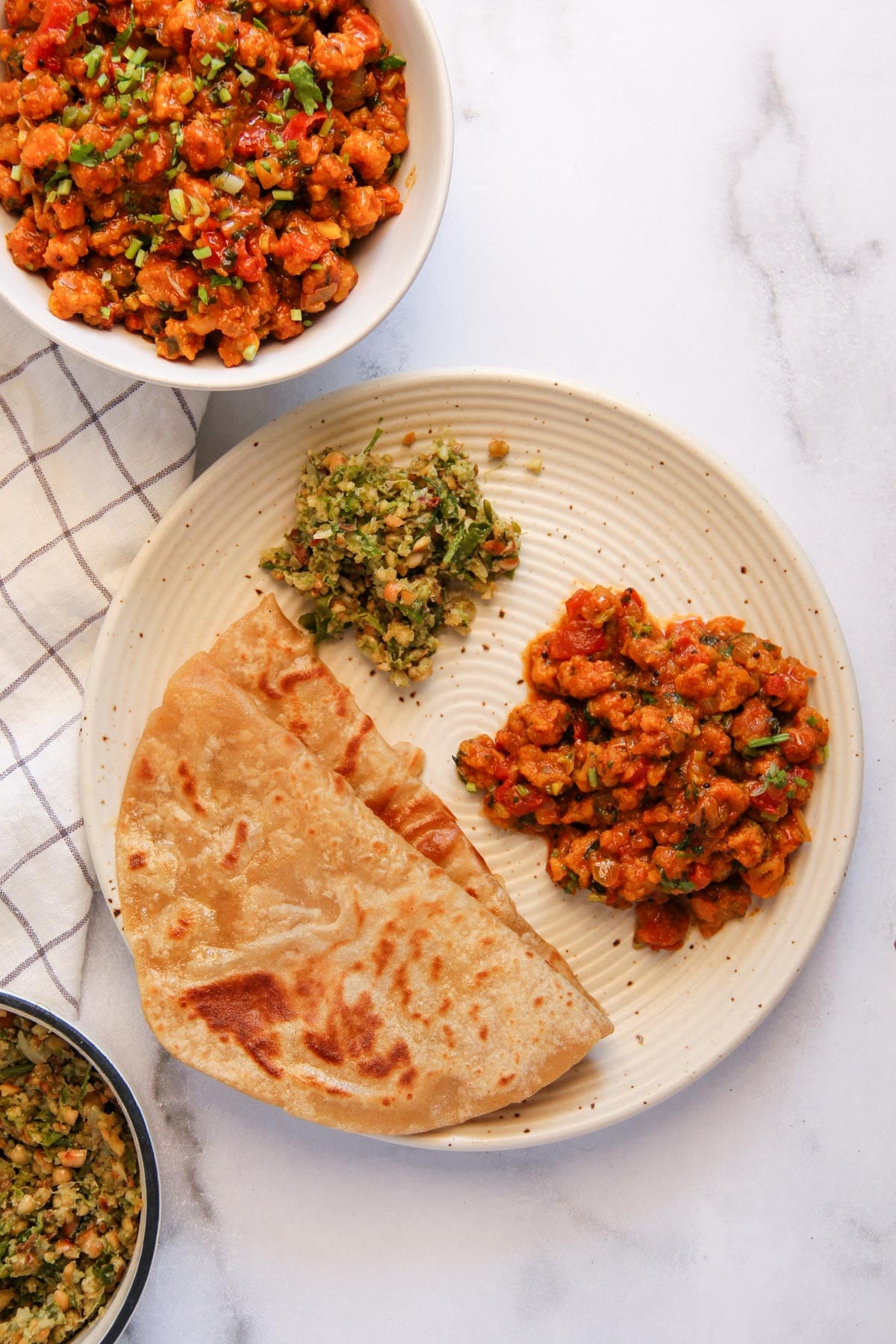
Before making any dish, pan-fry the sandge in a little oil to restore their texture. Then simmer them in a traditional masala so they soften again and take on the curry's flavor. Sandgyachi bhaji is that finished curry, thick, spiced, and best eaten with a hot chapati or a mound of steamed rice.
Sandgyachi bhaji isn't the only way my mom cooks with sandge. Some days she'll add cubed potatoes for a heartier curry; other days it's eggplant, depending on what's fresh or what she has on hand that week. The base masala stays more or less the same; it's really the vegetable that changes the dish each time.

Ingredient Notes
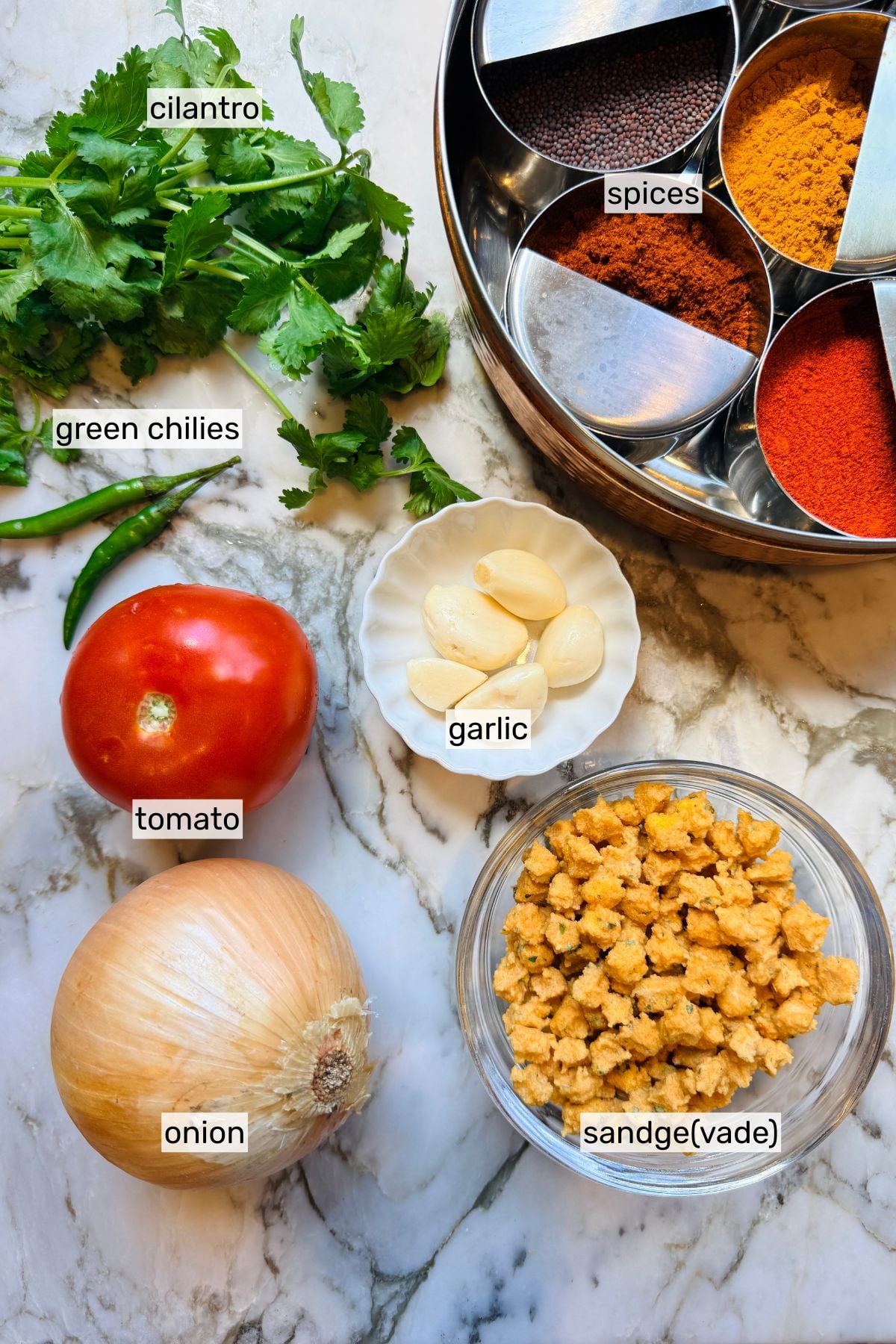
- Vade (sandge): the star of the dish. If you're new to this ingredient, they're sold in some Indian grocery stores, but making your own is easier than it sounds.
- Mustard seeds and hing: the base of any good Maharashtrian tadka. The hing especially rounds out the flavor of the lentils.
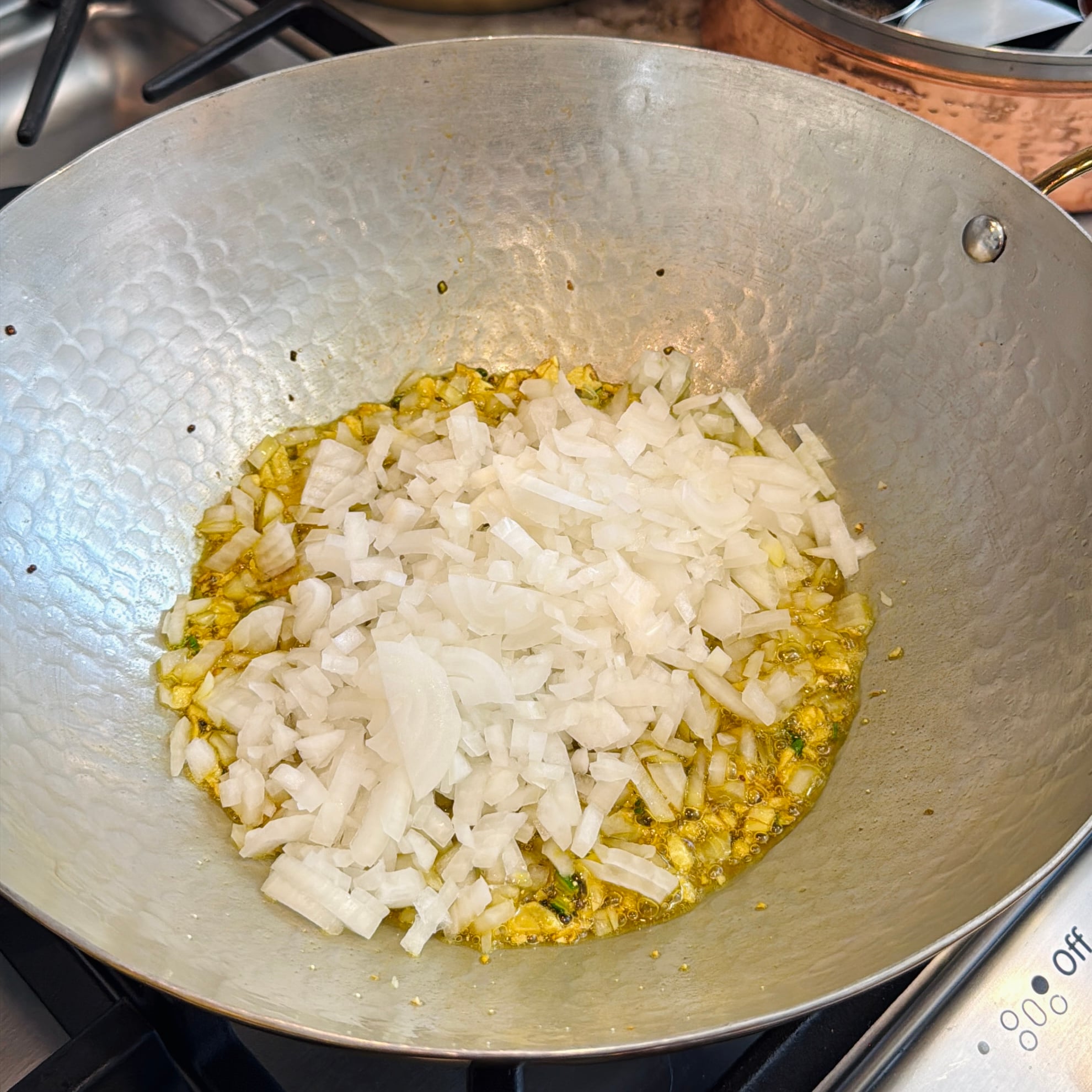
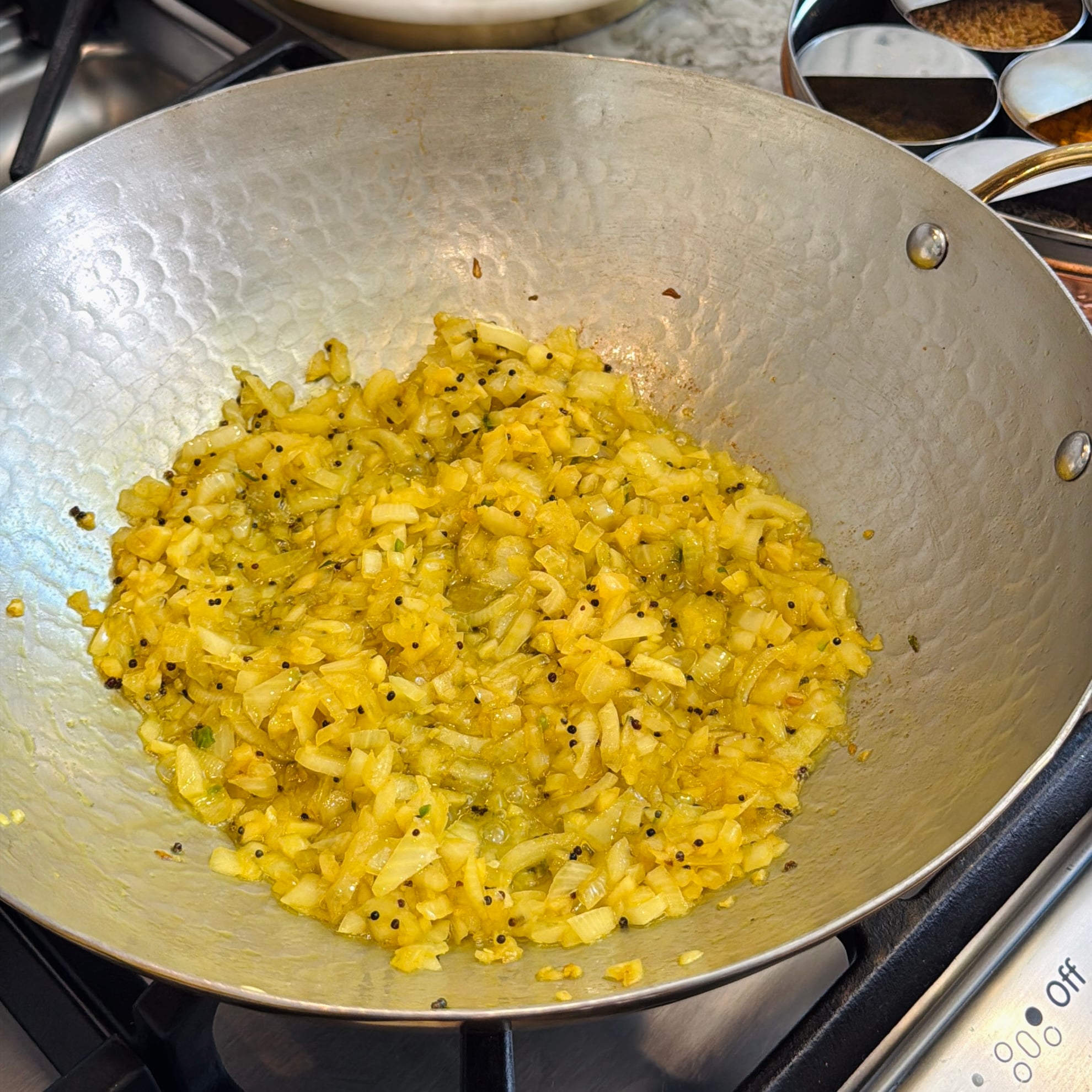
- Onion, garlic, and green chili: Garlic and green chilies are first fried in the tadka, and then finely chopped onion is cooked down until it's translucent and lightly golden.
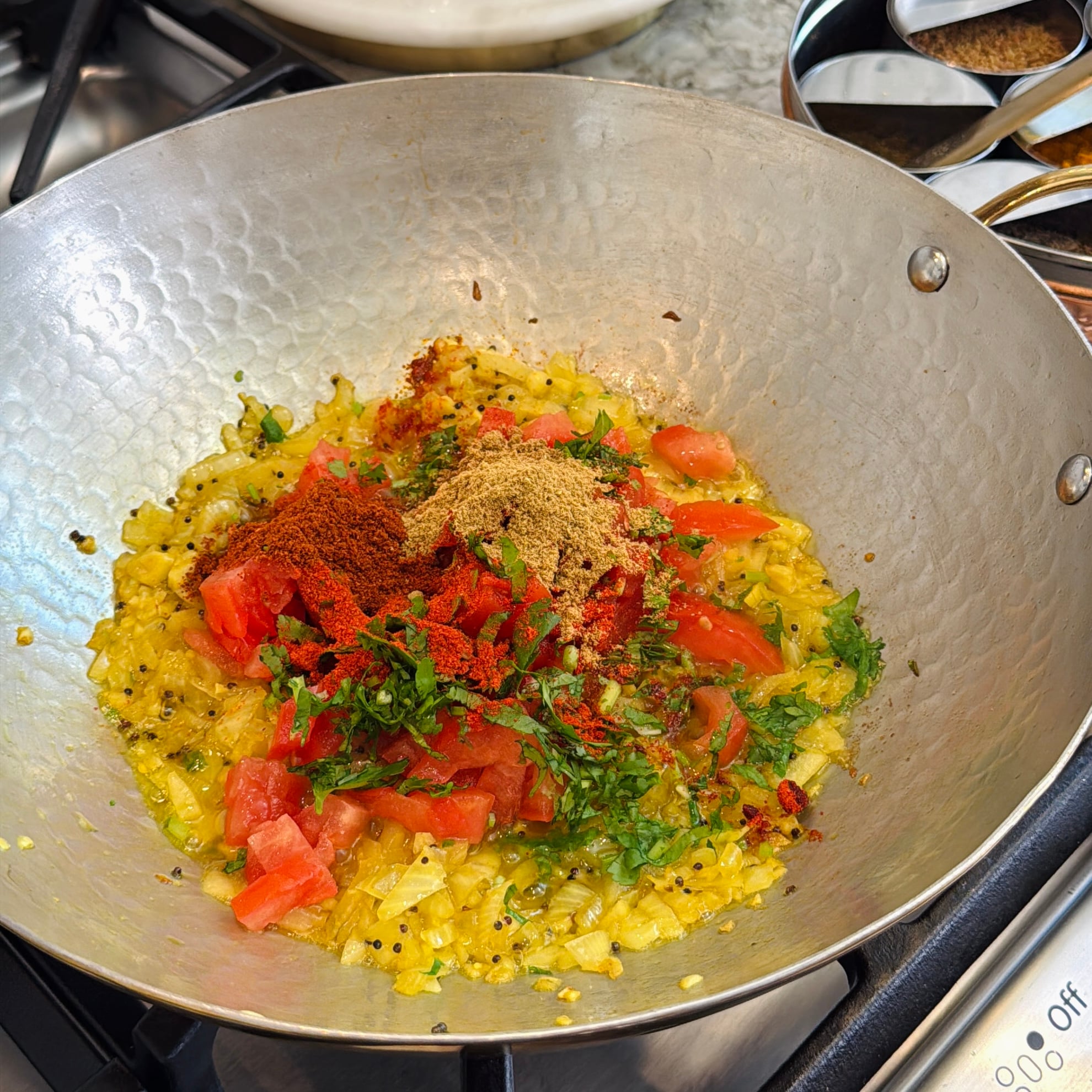
- Tomato: adds body and a little tang to balance the spices.
How to make sandgyachi bhaji
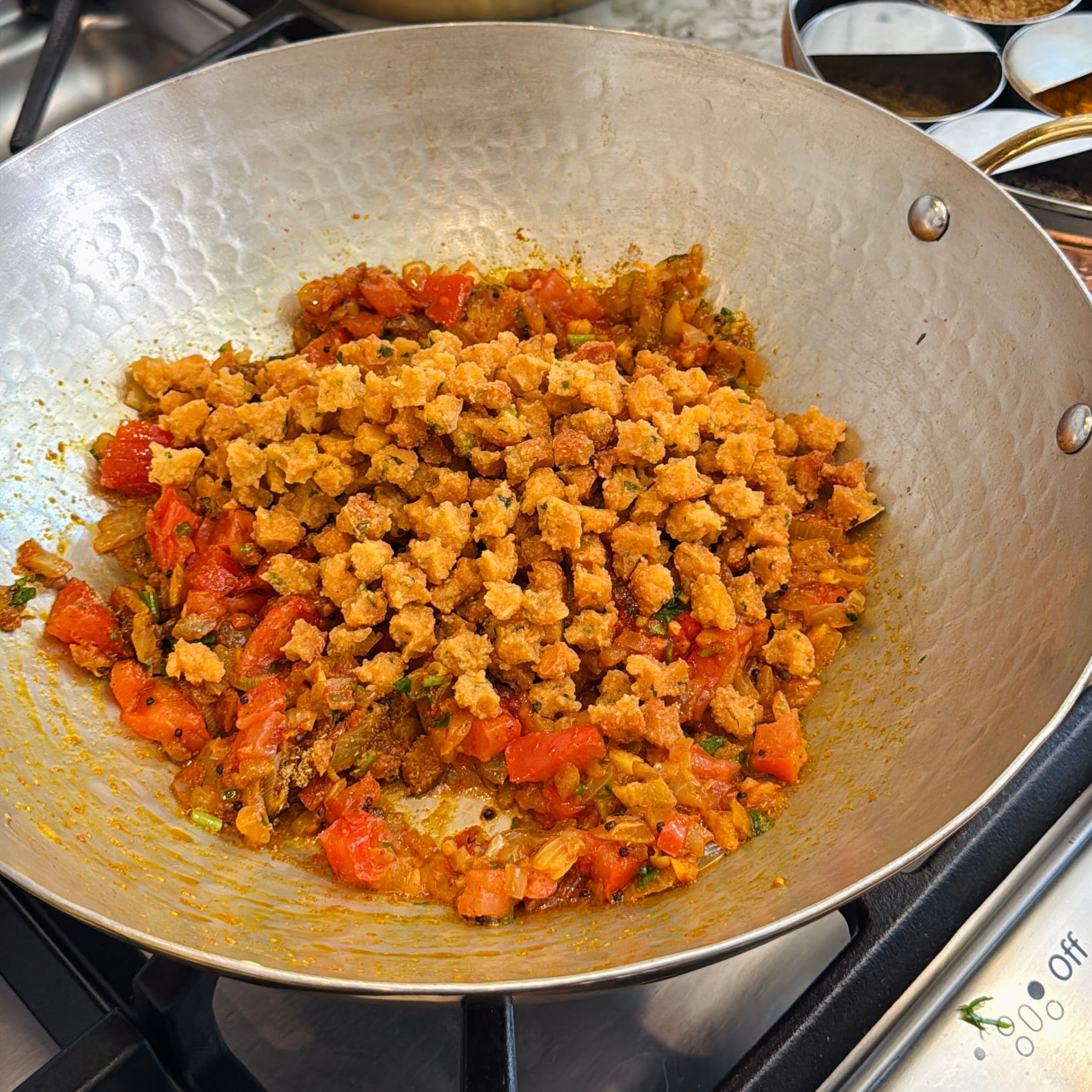
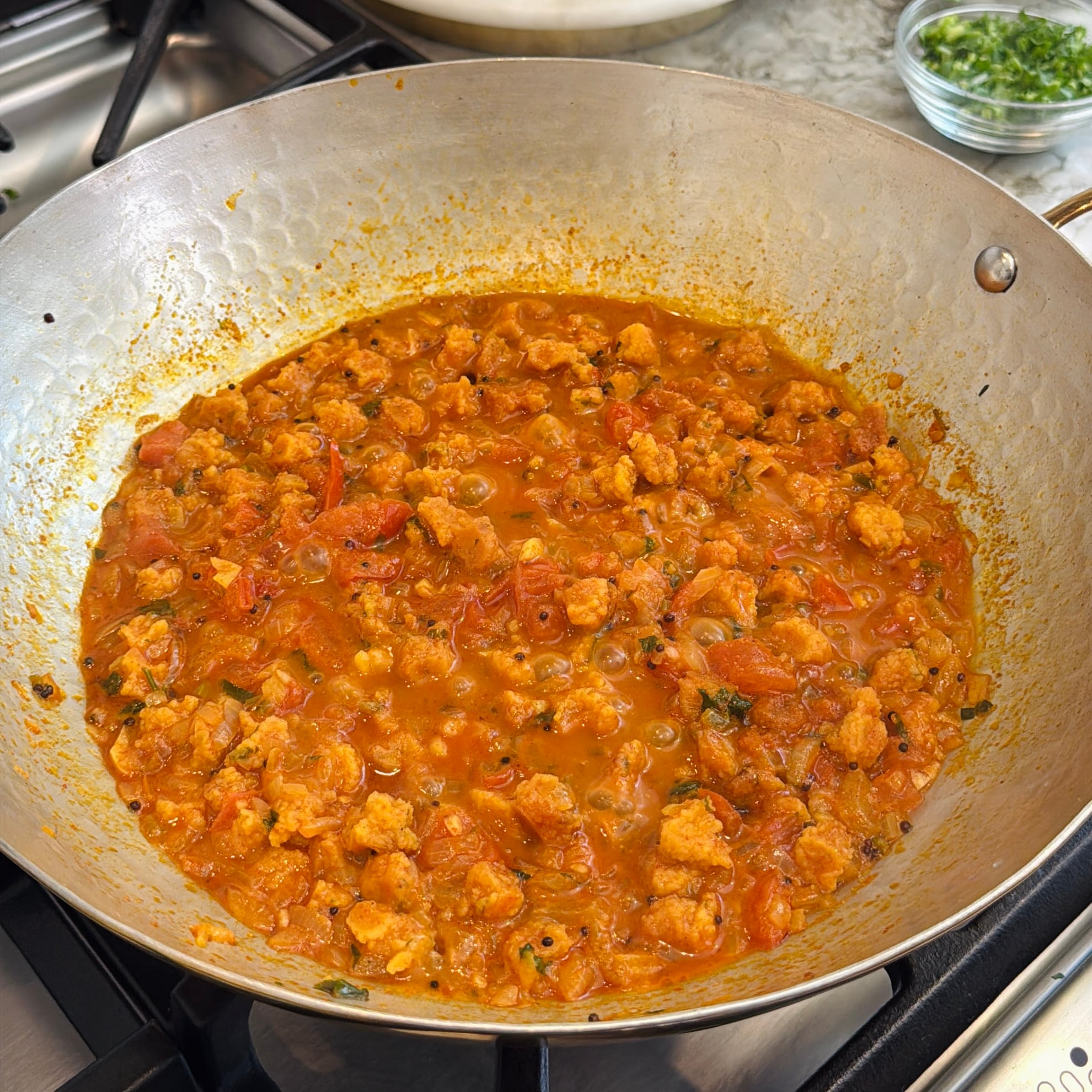
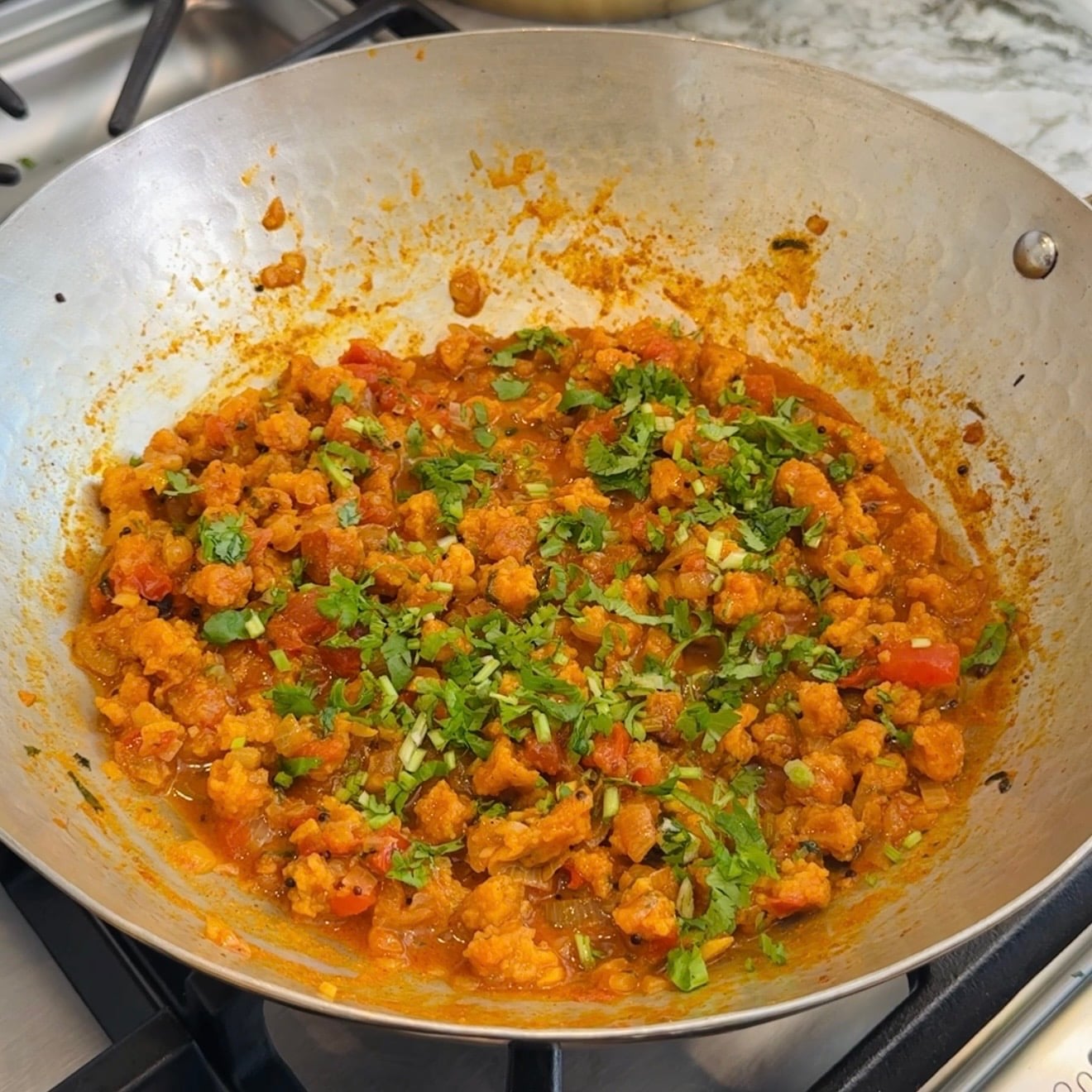
Tips for the best texture
The vade will keep softening as they simmer, but they should still hold their shape rather than turning mushy. If yours are breaking apart too fast, cut the simmering time down slightly and check every couple of minutes toward the end. If they're still firm after 10 minutes, add a few more tablespoons of warm water and give them a few extra minutes covered.
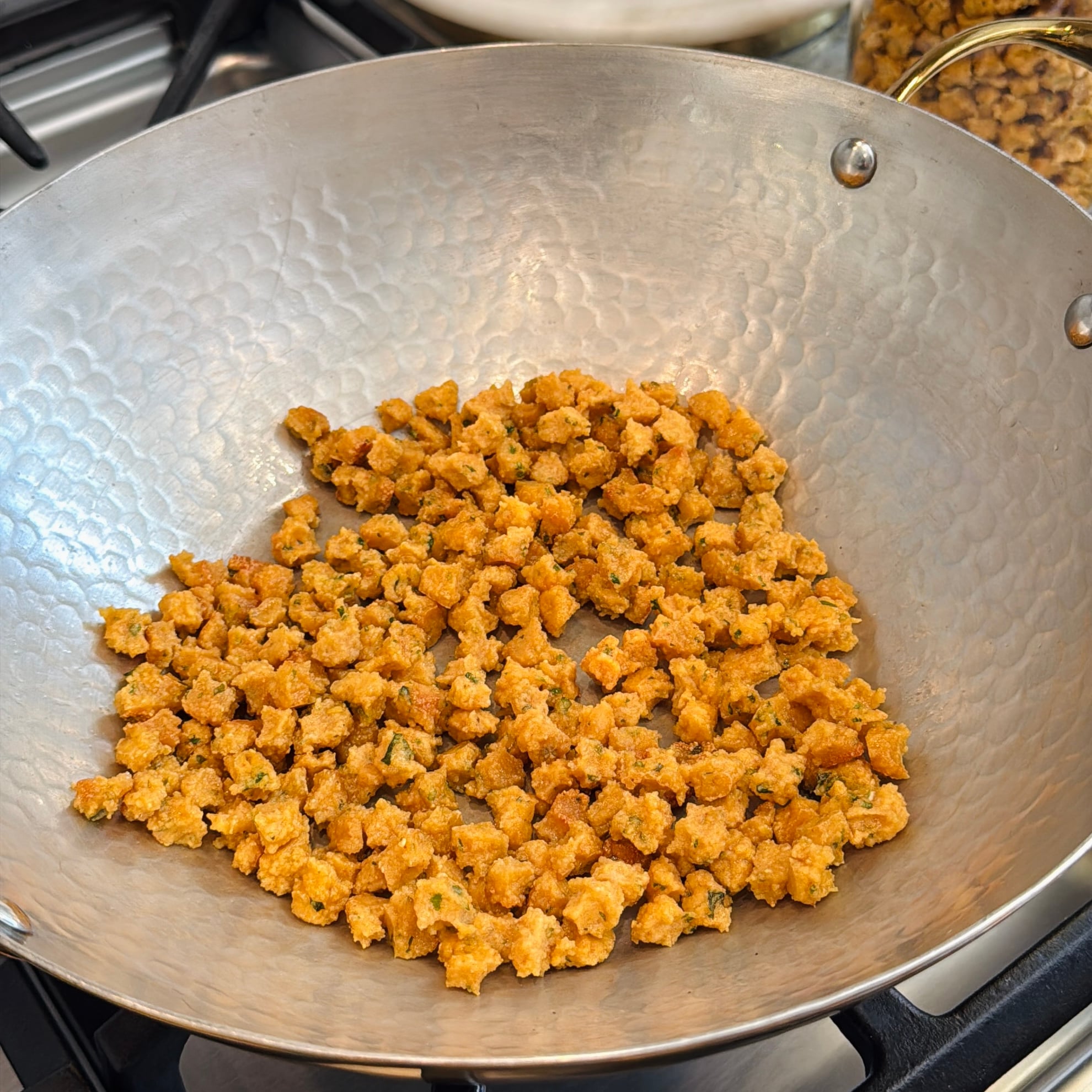
Frying the vade before they go into the masala matters more than it seems. It keeps them from turning dense once they've absorbed the liquid, so the texture inside stays soft while the outside holds together.
What to serve with sandgyachi bhaji
This bhaji is thick enough to scoop up with chapati or bhakri, and it's just as good spooned over steamed rice. A side of thecha or a simple kachumber salad rounds out the meal well.
Storage
Leftover sandgyachi bhaji keeps in the fridge for up to 3 days in an airtight container. Reheat gently on the stove with a splash of water, since the vade will continue to absorb liquid as they sit.
★ Tried this recipe? I'd love to hear how it turned out! Leave a comment and let me know, or snap a quick pic and upload it-I love seeing your creations. If you're on Instagram, tag @ministry_of_curry so I can check it out. Your feedback means so much to me and makes all the time I spend perfecting each recipe totally worth it. Thank you!
Recipe

Sandgyachi Bhaji (Vade Bhaji)
Recipe Video
Ingredients
- 2 tablespoons oil divided
- 1 cup sandge (vade)
- 1 teaspoon mustard seeds
- ⅛ teaspoon hing
- ¼ teaspoon turmeric
- 4 garlic cloves finely chopped
- 1 green chili finely chopped
- 1 yellow onion finely diced
- 2 teaspoons kosher salt divided
- 1 tomato finely chopped
- 2 tablespoons cilantro chopped, divided
- ½ teaspoon red chili powder
- ½ teaspoon garam masala
- 1 teaspoon ground cumin
- 2 teaspoons ground coriander
- ½ teaspoon Kashmiri red chili powder
- 1½ cups warm water
Instructions
- Heat half of the oil in a medium pan or kadai. Fry the Sandge on low to medium heat for 4 to 5 minutes, until lightly browned. Remove and set aside.
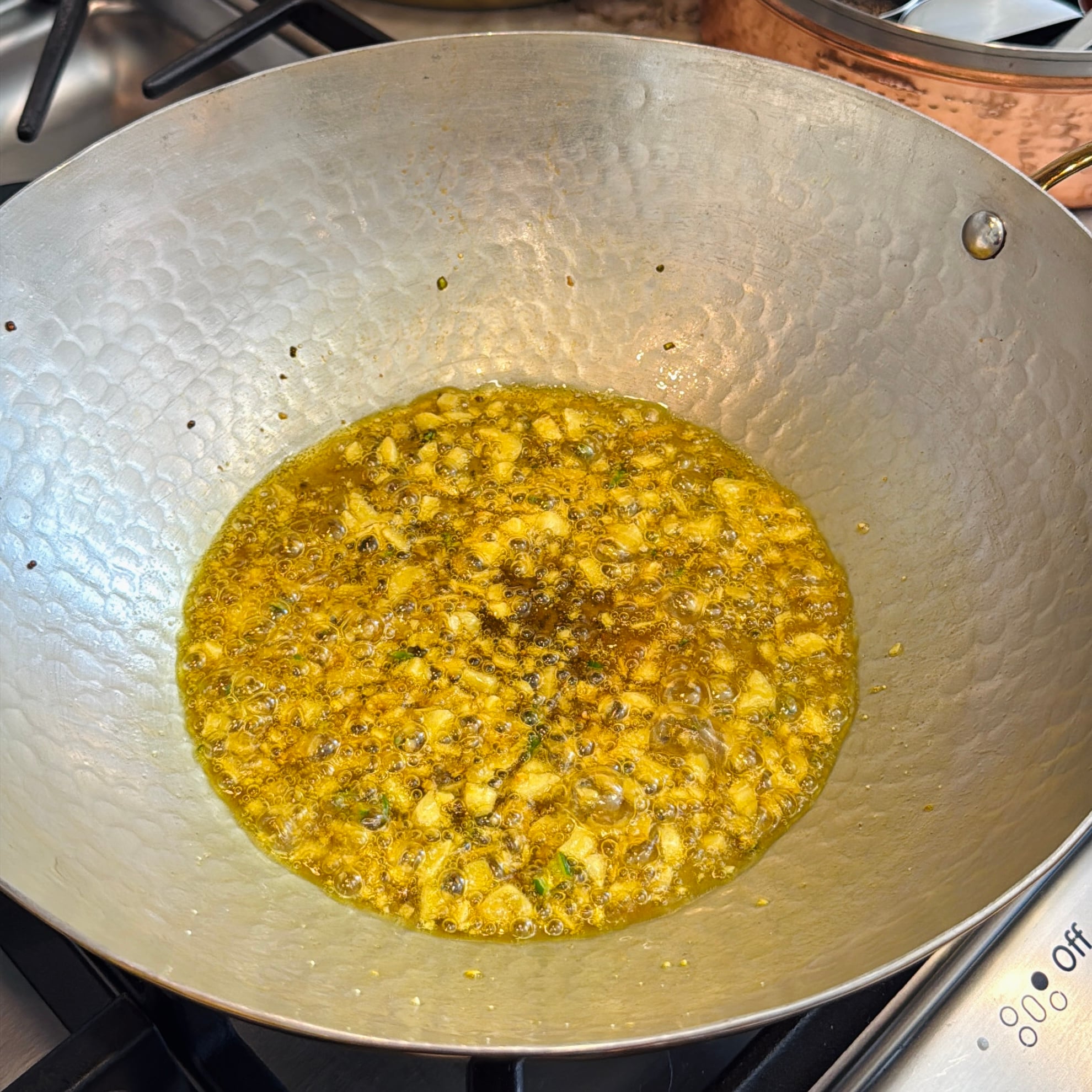
- Add the remaining oil to the same pan. Add mustard seeds and let them splutter.
- Add the hing, turmeric, garlic, and green chili, and sauté on medium heat until fragrant, for 1 to 2 minutes.
- Add the onion and half the kosher salt, and cook until the onion softens and turns lightly golden, about 4 to 5 minutes.
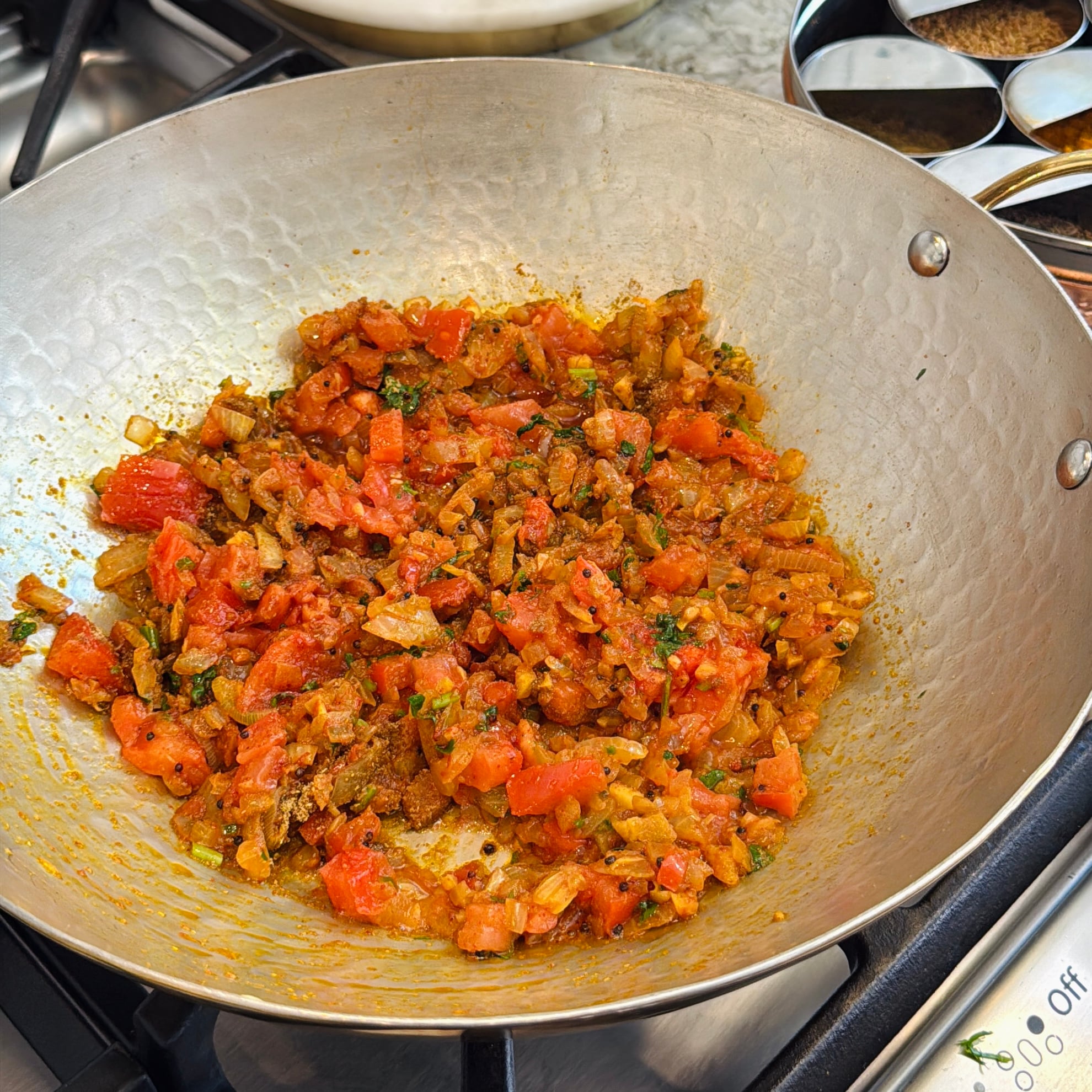
- Add the tomato and half the cilantro, and cook until the tomato breaks down.
- Stir in the red chili powder, garam masala, ground cumin, and ground coriander, and mix well.
- Add the fried Sandge back into the pan along with the water and remaining kosher salt.
- Cover and cook on medium heat for 10 minutes, until the Sandge are soft and break easily between your fingers.
- Garnish with the remaining cilantro before serving.


Leave a Reply